Skip to content
HBL
TPA Negotiator
PBM Negotiator
People
Services
Close Services
Open Services
Practice Areas
ERISA & Compliance
Health & Welfare Plans
Retirement Plans
Executive Compensation
Disputes & Investigations
Benefits in M&A
ESOPs & Equity Plans
Fiduciary Governance
Audits & Corrections
Navigating Healthcare Reform
Savings Opportunities
TPA Negotiator
PBM Negotiator
Who We Help
In-house Counsel
Benefits Teams
Private Equity
CPAs
Brokers
MEPs/PEPs/MEWAs
Resources
Close Resources
Open Resources
Publications
Articles
Book: Case Studies in ERISA
Blogs
ERISA Blog
Employment Law Blog
Videos
ERISA Videos
Employment Law Videos
Other Resources
Case Studies
Podcast Episodes
Newsletter Archive
Social Media Links
About
Close About
Open About
Firm Overview
Team
Testimonials
Careers
Contact Us
Contact Us
678-439-6236
Home
People
Services
Practice Areas
ERISA & Compliance
Health & Welfare Plans
Retirement Plans
Executive Compensation
Disputes & Investigations
Benefits in M&A
ESOPs & Equity Plans
Fiduciary Governance
Audits & Corrections
Navigating Healthcare Reform
Who We Help
In-house Counsel
Benefits Teams
Private Equity
Certified Public Accountants
Brokers Services
MEPs, PEPs & MEWAs
Resources
Publications
Articles & Publications
Book: Case Studies in ERISA
Blogs
ERISA Blog
Employment Law Blog
Videos
Erisa Videos
Employment Law Videos
Other Resources
Case Studies
Newsletter Archive
Podcast Episodes
Social Media Links
About
Firm Overview
Team
Testimonials
Careers
Contact Us
Contact
678-439-6236
Employment Law Blog
Practical insights and updates on employment law issues affecting workplace policies, compliance, and employer responsibilities.
Home
/
Employment Law Blog
Vaccine Coverage Complexities Set in as FDA Tightens Access to COVID Vaccines
Hall Benefits Law, LLC
October 10, 2025
Learn More
Wells Fargo Removes All Diversity Language from Website
Hall Benefits Law, LLC
October 8, 2025
Learn More
Seventh Circuit Decision Sets Forth New FLSA Certification Standard
Hall Benefits Law, LLC
September 23, 2025
Learn More
DOL Plan to Shutter OFCCP Next Year and Transfer Oversight to Other Agencies
Hall Benefits Law, LLC
September 22, 2025
Learn More
California Labor Commissioner Awards $8.55 Million in Grants to Local Prosecutors
Hall Benefits Law, LLC
September 19, 2025
Learn More
Federal Court Invalidates EEOC Guidance on Harassment
Hall Benefits Law, LLC
August 27, 2025
Learn More
Supreme Court Okays Mass Federal Workforce Layoffs
Hall Benefits Law, LLC
August 26, 2025
Learn More
Downward Trend in U.S. Labor Market Becomes Apparent
Hall Benefits Law, LLC
August 25, 2025
Learn More
Recent Supreme Court Decisions Allow More Title VII Claims
Hall Benefits Law, LLC
August 22, 2025
Learn More
Federal Judge Saddles CVS Caremark with $95 Million Judgment
Hall Benefits Law, LLC
August 1, 2025
Learn More
EEOC Acting Chair Claims Agency Subject to Presidential Orders, Not an Independent Agency
Hall Benefits Law, LLC
July 31, 2025
Learn More
Federal Judge Strikes Down Provision Requiring Workplace Accommodation for Abortions in Pregnant Workers Fairness Act Rule
Hall Benefits Law, LLC
July 30, 2025
Learn More
Previous
Page
1
Page
2
Page
3
Page
4
Page
5
Page
6
…
Page
37
Next
Search
Are You an Attorney? Let’s talk!
First Name
Last Name
Email
Submit
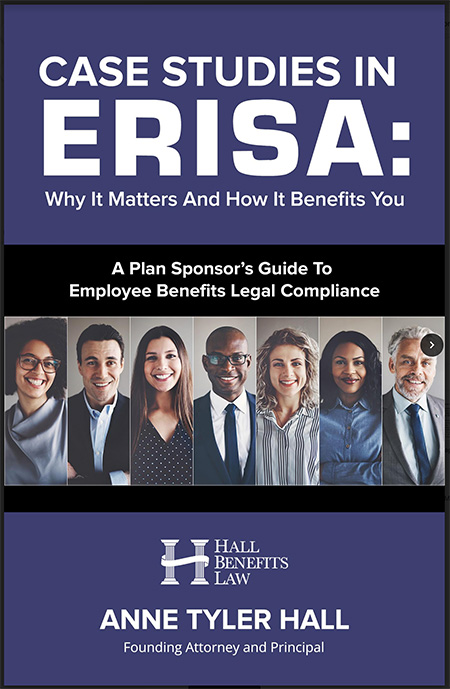
Request Your Free Book
Case Studies in ERISA: Why It Matters And How It Benefits You, A Plan Sponsor’s Guide To Employee Benefits Legal Compliance
First Name
Last Name
Email
Phone
Company Name
Submit
Categories
Newsletter Archive
ERISA Blog
Articles & Publications
Employment Law Blog
Podcast Episode
News & Events
Newsletter Sign Up
First Name
Last Name
Email
Phone
Company Name
Submit
Full Name
Email
Company Name
Download Case Study PDF
Name
Email
Company Name
Review Stars
1 Star
2 Stars
3 Stars
4 Stars
5 Stars
Leave Your Review
Submit Review