


The American Rescue Plan Act of 2021 (ARPA) included a provision to help unemployed workers by authorizing a 100% subsidy of COBRA health insurance premiums from April 1, 2021, to September 30, 2021. Current and former employees who qualify for the COBRA subsidy must be notified by May 31, 2021, and have 60 days to make an election. The ARPA required the Department of Labor (DOL) to issue model notices within 30 Read More
Biden Administration Continues Actions Aimed at Addressing and Advocating for Racial and Gender Equality

On January 20, 2021, President Biden issued Executive Order (E.O.) 13985, Advancing Racial Equity and Support for Underserved Communities Through the Federal Government, to affirm that “the Federal Government should pursue a comprehensive approach to advancing equity for all, including people of color and others who have been historically underserved, marginalized, and adversely affected by persistent poverty and Read More
Unemployment Expanded to Include Individuals Who Won’t Return to Work Due to Noncompliant COVID Environments

On February 25, 2021, the DOL issued guidance to state unemployment agencies that expands the eligibility of employees who declined to work due to pandemic safety concerns to receive Pandemic Unemployment Assistance (PUA). The new guidance expanded PUA eligibility to three categories of employees: Workers receiving unemployment benefits who had their continued regular unemployment benefits’ claims denied Read More
EEO-1 Data Entry Timeframe Finally Set

On March 29, 2021, the Equal Employment Opportunity Commission (EEOC) announced that the opening date for the collection of 2019 and 2020 EEO-1 data will be April 26, 2021. The final deadline for employers to submit that data is July 19, 2021. Employers with more than 100 employees are required to file EEO-1 data (workforce demographic information) annually. This requirement also applies to federal contractors with Read More
OSHA Rolls Out Targeted Investigation Program

On March 12, 2021, OSHA released its new temporary COVID-19 National Emphasis Program (NEP) that will expand its inspection and enforcement efforts to protect workers at high risk for contracting COVID-19. The NEP targets certain industries and worksites that the agency considers “high-hazard” environments and is effective immediately. Targeted Industries OSHA developed a list of primary and secondary targeted Read More
DOL Plans to Roll Back Joint Employer & Independent Contractor Rules

On March 11, 2021, the U.S. Department of Labor (DOL) announced proposals to rescind the Independent Contractor Final Rule and the Joint Employer Rule, stating that the rules would “significantly weaken protections afforded to American workers under the Fair Labor Standards Act.” Independent Contractor Status Under the FLSA The Independent Contractor Final Rule, issued on January 7, 2021, established new standards Read More
CDC Updates Workplace Vaccination Program
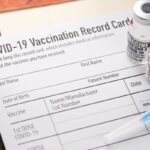
To help employers increase the number of fully vaccinated employees, the Centers of Disease Control and Prevention (CDC) has updated its workplace vaccination program recommendations as follows: Assess COVID-19 Vaccination Option for Employees There are two primary options for vaccinating employees: onsite at work or offsite in the community. Employers that have a large workforce with predictable schedules, enough Read More
CDC Issues Guidance for Fully Vaccinated People

The Centers of Disease Control and Prevention (CDC) recently issued its recommendations for Americans that have been fully vaccinated. The CDC considers people to have been fully vaccinated once two weeks have passed since they received the second dose in a two-dose series (Pfizer or Moderna vaccines) or two weeks after they receive a single-dose vaccine (Johnson & Johnson). The CDC made it clear that this Read More
American Rescue Plan Act Expands Employees Covered by 162(m) Deduction Limit

Section 162(m) of the Internal Revenue Code focuses on publicly held corporations and deductions for compensation paid to covered employees. This section does not allow these corporations to deduct compensation that exceeds $1 million per year. Under current law, covered employees include: Anyone who served as the principal executive officer at any point during the taxable year. Anyone who served as the Read More
Executive Pay Clawbacks: Both Past and Future Compensation At Risk

Executive pay clawback clauses have become more common following the financial crisis of 2008 since they allow companies to recover incentive pay from executives in the event of misconduct, fraud, scandal, poor performance, or a drop in company profits. Clawbacks Under Sarbanes-Oxley and Dodd-Frank The Sarbanes-Oxley Act of 2002 mandated an executive compensation clawback rule that covered CEOs and CFOs, but did Read More


