Skip to content
HBL
TPA Negotiator
PBM Negotiator
People
Services
Close Services
Open Services
Practice Areas
ERISA & Compliance
Health & Welfare Plans
Retirement Plans
Executive Compensation
Disputes & Investigations
Benefits in M&A
ESOPs & Equity Plans
Fiduciary Governance
Audits & Corrections
Navigating Healthcare Reform
Savings Opportunities
TPA Negotiator
PBM Negotiator
Who We Help
In-house Counsel
Benefits Teams
Private Equity
CPAs
Brokers
MEPs/PEPs/MEWAs
Resources
Close Resources
Open Resources
Publications
Articles
Book: Case Studies in ERISA
Blogs
ERISA Blog
Employment Law Blog
Videos
ERISA Videos
Employment Law Videos
Other Resources
Case Studies
Podcast Episodes
Newsletter Archive
Social Media Links
About
Close About
Open About
Firm Overview
Team
Testimonials
Careers
Contact Us
Contact Us
678-439-6236
Home
People
Services
Practice Areas
ERISA & Compliance
Health & Welfare Plans
Retirement Plans
Executive Compensation
Disputes & Investigations
Benefits in M&A
ESOPs & Equity Plans
Fiduciary Governance
Audits & Corrections
Navigating Healthcare Reform
Who We Help
In-house Counsel
Benefits Teams
Private Equity
Certified Public Accountants
Brokers Services
MEPs, PEPs & MEWAs
Resources
Publications
Articles & Publications
Book: Case Studies in ERISA
Blogs
ERISA Blog
Employment Law Blog
Videos
Erisa Videos
Employment Law Videos
Other Resources
Case Studies
Newsletter Archive
Podcast Episodes
Social Media Links
About
Firm Overview
Team
Testimonials
Careers
Contact Us
Contact
678-439-6236
Employment Law Blog
Practical insights and updates on employment law issues affecting workplace policies, compliance, and employer responsibilities.
Home
/
Employment Law Blog
DOL Withdraws Tipped-Wage Rule
Hall Benefits Law, LLC
February 6, 2025
Learn More
Federal Judge Refuses to Dismiss Sephora Worker’s Retaliation Suit
Hall Benefits Law, LLC
February 3, 2025
Learn More
DOL Clarifies Employees May Use FMLA for Clinical Trial Participation
Hall Benefits Law, LLC
January 30, 2025
Learn More
Ex-Dish Marketing Executive Files Sex Discrimination Suit Over “Boys Club” Atmosphere
Hall Benefits Law, LLC
January 27, 2025
Learn More
Proposed DOL Rule Would Require at Least Minimum Wage for Workers with Disabilities
Hall Benefits Law, LLC
January 22, 2025
Learn More
Employers Should Prepare for Immigration Raids
Hall Benefits Law, LLC
January 17, 2025
Learn More
Incivility Skyrockets at Huge Costs to Employers
Hall Benefits Law, LLC
January 15, 2025
Learn More
USCIS Issues Final Rule Permanently Extending Work Permit Renewal
Hall Benefits Law, LLC
January 13, 2025
Learn More
Walmart Joins Other Major Employers in Backing Off DEI Policies
Hall Benefits Law, LLC
December 19, 2024
Learn More
Employers Offering Menopause Benefits Continue to Be Rare
Hall Benefits Law, LLC
December 17, 2024
Learn More
Texas Federal Court Vacates New Overtime Rule: What Employers Need to Know
Hall Benefits Law, LLC
December 12, 2024
Learn More
NLRB Issues Two Major Decisions Concerning Mandatory Meetings and Employer Statements on the Impact of Unionization
Hall Benefits Law, LLC
December 10, 2024
Learn More
Previous
Page
1
…
Page
5
Page
6
Page
7
Page
8
Page
9
…
Page
37
Next
Search
Are You an Attorney? Let’s talk!
First Name
Last Name
Email
Submit
Request Your Free Book
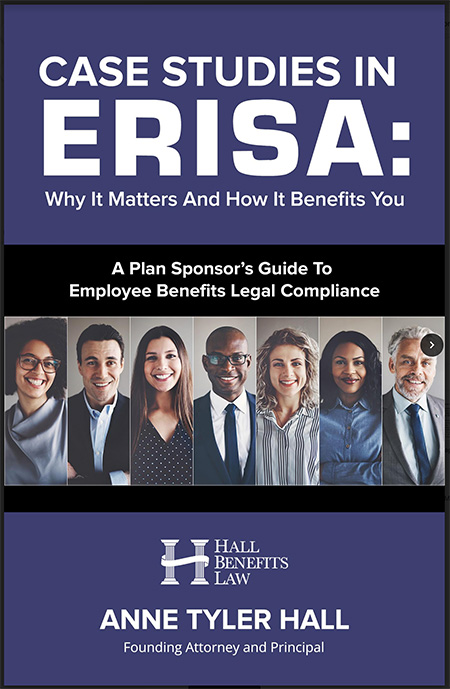
Case Studies in ERISA: Why It Matters And How It Benefits You, A Plan Sponsor’s Guide To Employee Benefits Legal Compliance
First Name
Last Name
Email
Phone
Company Name
Submit
Categories
Newsletter Archive
ERISA Blog
Articles & Publications
Employment Law Blog
Podcast Episode
News & Events
Newsletter Sign Up
First Name
Last Name
Email
Phone
Company Name
Submit
Full Name
Email
Company Name
Download Case Study PDF
Name
Email
Company Name
Review Stars
1 Star
2 Stars
3 Stars
4 Stars
5 Stars
Leave Your Review
Submit Review