Skip to content
HBL
TPA Negotiator
PBM Negotiator
People
Services
Close Services
Open Services
Practice Areas
ERISA & Compliance
Health & Welfare Plans
Retirement Plans
Executive Compensation
Disputes & Investigations
Benefits in M&A
ESOPs & Equity Plans
Fiduciary Governance
Audits & Corrections
Navigating Healthcare Reform
Savings Opportunities
TPA Negotiator
PBM Negotiator
Who We Help
In-house Counsel
Benefits Teams
Private Equity
CPAs
Brokers
MEPs/PEPs/MEWAs
Resources
Close Resources
Open Resources
Publications
Articles
Book: Case Studies in ERISA
Blogs
ERISA Blog
Employment Law Blog
Videos
ERISA Videos
Employment Law Videos
Other Resources
Case Studies
Podcast Episodes
Newsletter Archive
Social Media Links
About
Close About
Open About
Firm Overview
Team
Testimonials
Careers
Contact Us
Contact Us
678-439-6236
Home
People
Services
Practice Areas
ERISA & Compliance
Health & Welfare Plans
Retirement Plans
Executive Compensation
Disputes & Investigations
Benefits in M&A
ESOPs & Equity Plans
Fiduciary Governance
Audits & Corrections
Navigating Healthcare Reform
Who We Help
In-house Counsel
Benefits Teams
Private Equity
Certified Public Accountants
Brokers Services
MEPs, PEPs & MEWAs
Resources
Publications
Articles & Publications
Book: Case Studies in ERISA
Blogs
ERISA Blog
Employment Law Blog
Videos
Erisa Videos
Employment Law Videos
Other Resources
Case Studies
Newsletter Archive
Podcast Episodes
Social Media Links
About
Firm Overview
Team
Testimonials
Careers
Contact Us
Contact
678-439-6236
Employment Law Blog
Practical insights and updates on employment law issues affecting workplace policies, compliance, and employer responsibilities.
Home
/
Employment Law Blog
Changes in Gun Laws Affect the Workplace
Hall Benefits Law, LLC
November 28, 2022
Learn More
ADP Seeks Sanctions Against Former Employer for Allegedly Destroying Evidence in Suit
Hall Benefits Law, LLC
November 23, 2022
Learn More
Comply with Federal, State, and Local WARN Laws in Conducting Layoffs
Hall Benefits Law, LLC
November 17, 2022
Learn More
Adopting Practices to Minimize Liability for Layoffs
Hall Benefits Law, LLC
November 15, 2022
Learn More
Toyota Moves to Dismiss Proposed FMLA Class Action, Compel Arbitration
Hall Benefits Law, LLC
November 9, 2022
Learn More
Conducting Formal Racial Equity Audits in the Workplace
Hall Benefits Law, LLC
November 3, 2022
Learn More
Federal Judge Rejects Motion to Dismiss HIV Patients’ Disability Bias Suit by CVS
Hall Benefits Law, LLC
October 26, 2022
Learn More
Companies Urge Supreme Court to Preserve Affirmative Action in Higher Ed
Hall Benefits Law, LLC
October 24, 2022
Learn More
Collecting Pay Data May Help EEOC Identify Race and Sex Discrimination
Hall Benefits Law, LLC
October 20, 2022
Learn More
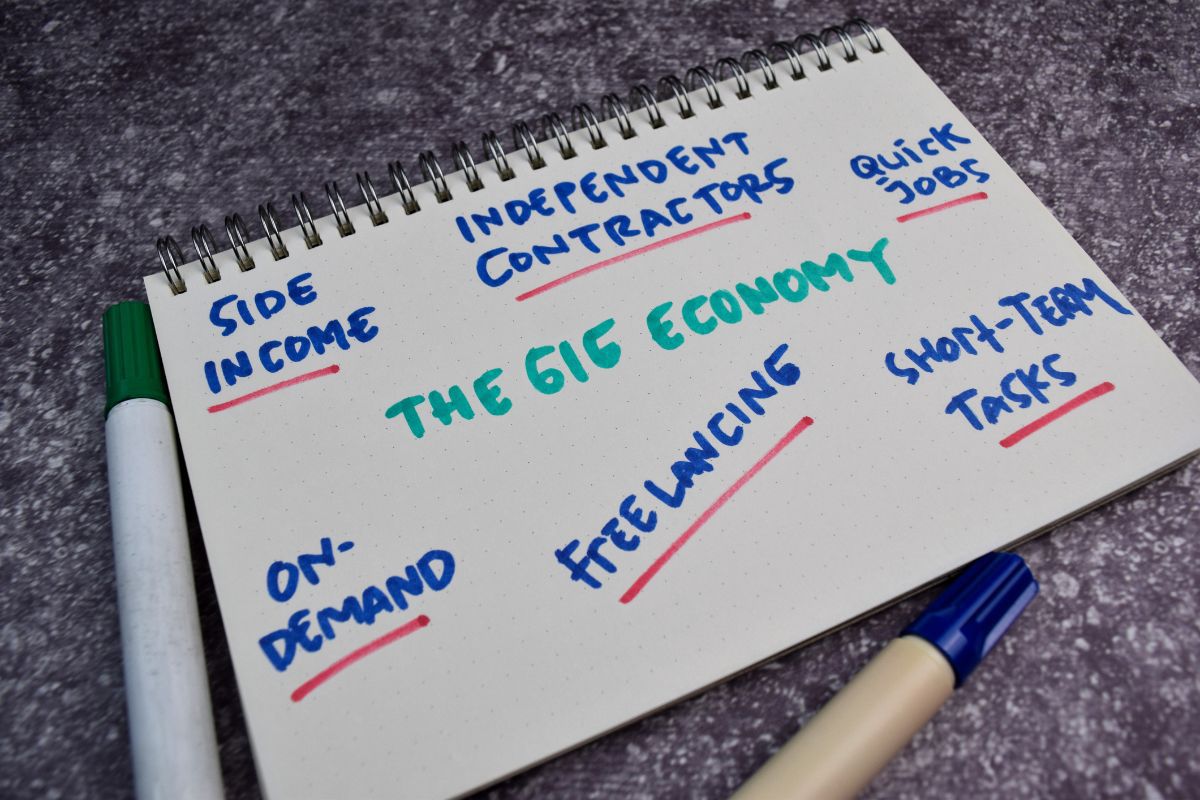
Bipartisan Legislators Introduce Bill with Some Legal Protections for Gig Workers
Hall Benefits Law, LLC
October 12, 2022
Learn More
DOL Regulations Expand Liability for Financial Advisors Giving Pension Rollover Advice
Hall Benefits Law, LLC
October 10, 2022
Learn More
KFC Argues to Eleventh Circuit that EEOC Charge Isn’t a “Claim”
Hall Benefits Law, LLC
October 6, 2022
Learn More
Previous
Page
1
…
Page
20
Page
21
Page
22
Page
23
Page
24
…
Page
37
Next
Search
Are You an Attorney? Let’s talk!
First Name
Last Name
Email
Submit
Request Your Free Book
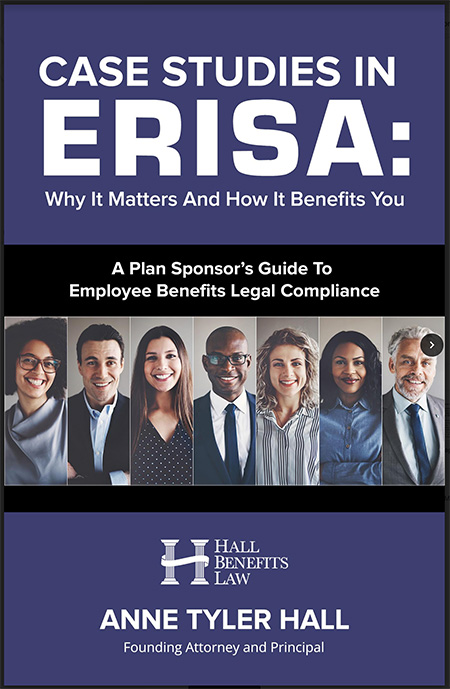
Case Studies in ERISA: Why It Matters And How It Benefits You, A Plan Sponsor’s Guide To Employee Benefits Legal Compliance
First Name
Last Name
Email
Phone
Company Name
Submit
Categories
Newsletter Archive
ERISA Blog
Articles & Publications
Employment Law Blog
Podcast Episode
News & Events
Newsletter Sign Up
First Name
Last Name
Email
Phone
Company Name
Submit
Full Name
Email
Company Name
Download Case Study PDF
Name
Email
Company Name
Review Stars
1 Star
2 Stars
3 Stars
4 Stars
5 Stars
Leave Your Review
Submit Review