The U.S. Department of Labor’s Occupational Safety and Health Administration (OSHA) has issued new guidance entitled “Opioid Overdose Rescue with Reversal Medications.” The new fact sheet warns employers to take precautions to treat potential opioid overdoses in the workplace. As part of its recommendations, OSHA is urging employers to keep opioid overdose reversal medications (OORMs) available in visible and easily accessible locations, like other kinds of emergency equipment. OSHA also recommends that employers train employees to recognize and treat overdoses.
The OSHA guidance creates no new compliance requirements for employers. Rather, the guidance offers recommendations for employers to adequately prepare for a workplace emergency concerning an opioid overdose, which OSHA characterizes as a “serious health and safety issue” in the workplace.
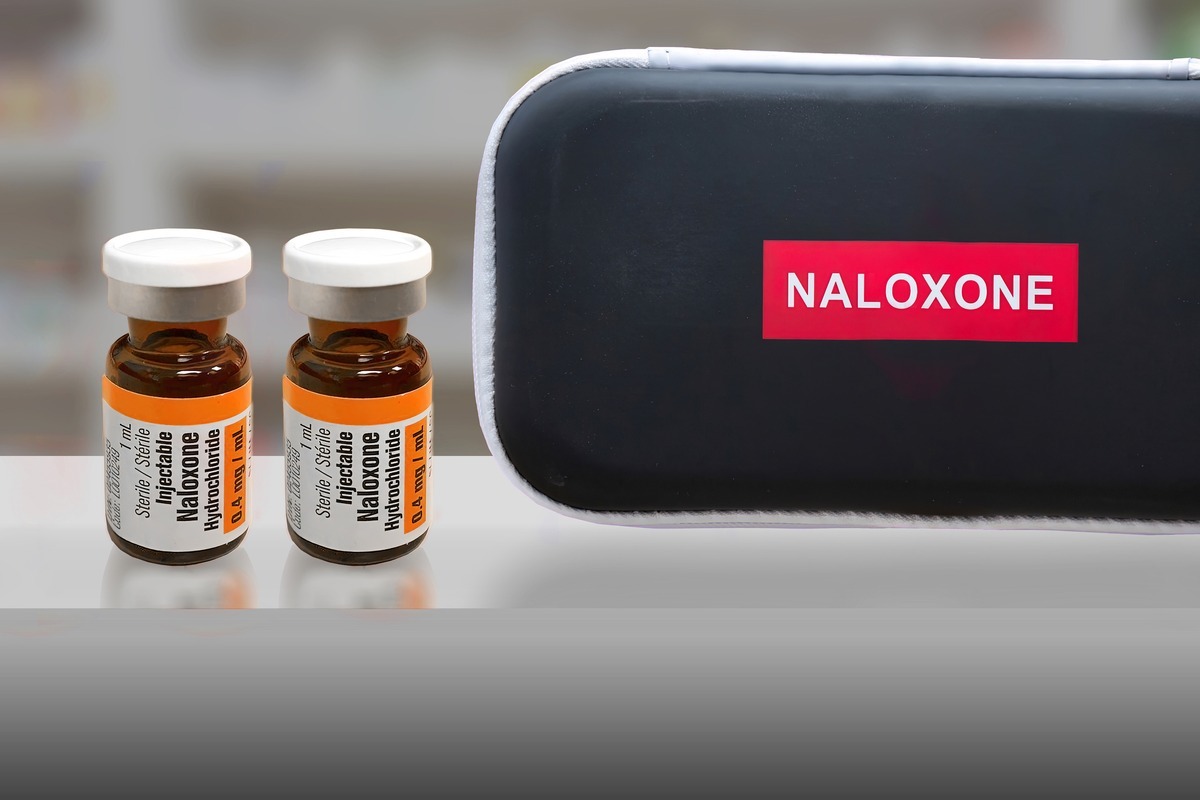
More specifically, OSHA suggests that workplaces stock one of two FDA-approved OORMs – naloxone or nalmefene. These drugs work by blocking the effects of opioid overdoses and restoring normal breathing. Some naloxone nasal sprays require no prescription, while others require a prescription. Employers can obtain OORMs through various sources, including pharmacies, manufacturer programs, and health departments, often at low or no cost.
Once employers have obtained OORMs, they should follow the manufacturer’s storage instructions. All workplaces should have a designated safety officer who monitors medication expiration dates and ensures that medications remain fully stocked. Workplaces should store OORMs near first aid kits and automated external defibrillators, which may require supplying multiple storage areas in larger workplaces.
Employers also may offer voluntary training for employees, including understanding and recognizing common signs of opioid overdoses, administering OORMs, placing individuals in recovery positions, and abiding by state Good Samaritan laws. Although OORM administration does not obviate the need for emergency medical treatment, since its effects may be temporary, employees also should call 911 when attending to a potential opioid overdose. Emergency treatment is likely necessary even if the individual appears to regain consciousness and recover.
The federal government has been working to raise awareness of the opioid crisis and its impact on the workplace for years. For example, in 2018, the National Institute for Occupational Safety and Health (NIOSH) issued guidance to employers on developing workplace naloxone programs. NIOSH more recently published data showing that workplace deaths from unintentional drug overdose increased almost 500% between 2012 and 2020. Likewise, some industries, such as those involving manual labor or hazardous tasks, have seen higher rates of overdose deaths, as well as substance-use disorders, among employees.
OSHA’s new guidance is part of the Great American Recovery Initiative, a federal effort to promote addiction treatment and recovery. Its most recent guidance adds overdose planning and treatment to its broader recommendations for workplace emergency planning.
HBL has experience in all areas of benefits and employment law, offering a comprehensive solution to all your business benefits and HR/employment needs. We help ensure you are in compliance with the complex requirements of ERISA and the IRS code, as well as those laws that impact you and your employees. Together, we reduce your exposure to potential legal or financial penalties. Learn more by calling 470-571-1007.