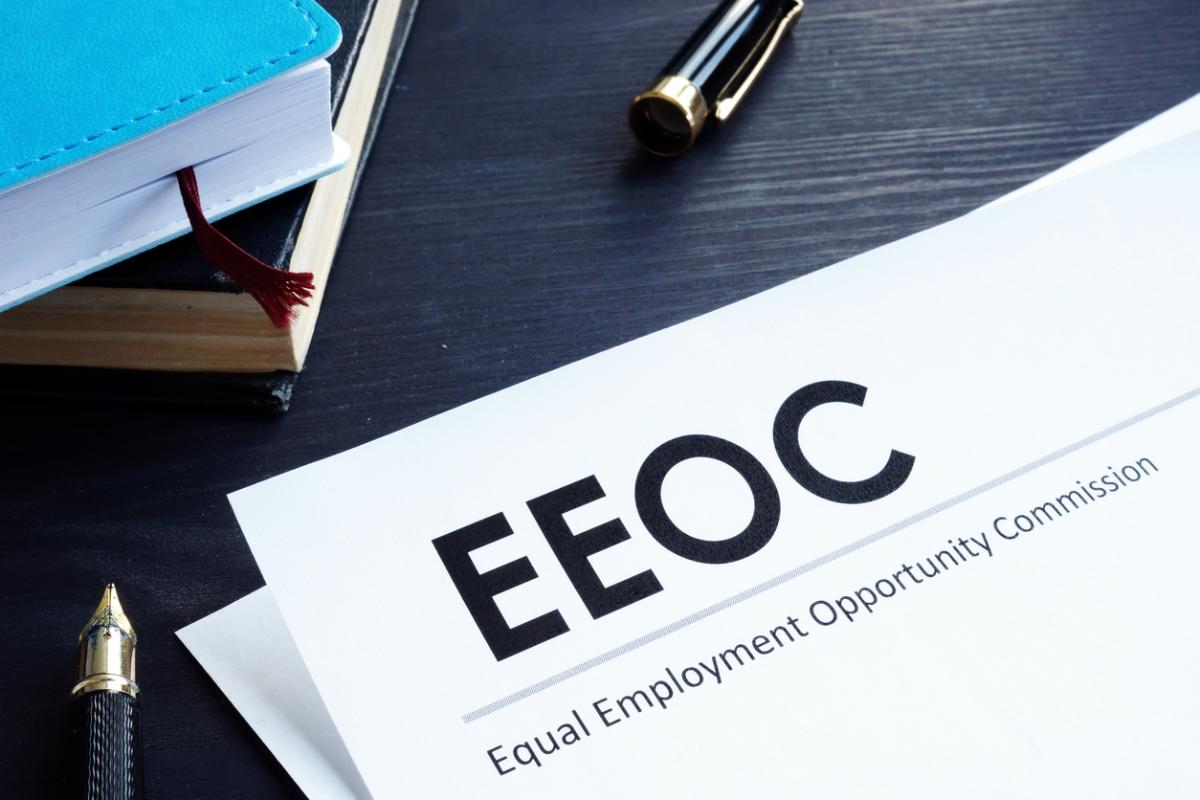
The U.S. Equal Employment Opportunity Commission (EEOC) recently rescinded its affirmative action guidelines that had been in place for 40 years. According to the EEOC, the guidelines, as contained in a guide and compliance manual, violated Title VII of the Civil Rights Act of 1964.
The EEOC also pointed to the guidelines as violating the U.S. Supreme Court’s ruling in Students for Fair Admissions, Inc. v. Harvard. In that case, the court found that college admissions practices that took race into account were unconstitutional. In the aftermath of that decision, some forecast that it would also impact affirmative action programs and policies in the workplace. That prediction has increasingly come to pass as the EEOC has embraced strategic priorities to mirror the conservative agenda of the Trump administration.
The EEOC’s rescission of the affirmative action guidelines is consistent with its new enforcement plan, which identifies agency priorities through 2029. This plan rejects the legal theory of disparate impact liability and cracks down on job advertisements and similar recruiting techniques that encourage specific groups to apply. Furthermore, the EEOC said it would focus its efforts on combating diversity, equity, and inclusion (DEI) programs.
While one critic labeled the rescission as confusing and intended to prevent employers from ensuring fair and inclusive workplace practices, another legal analyst noted that employers should ensure their policies do not utilize protected characteristics as selection criteria. To that end, human resources departments should review any programs with diversity-related criteria to reduce the risk of future EEOC enforcement action.
HBL has experience in all areas of benefits and employment law, offering a comprehensive solution to all your business benefits and HR/employment needs. We help ensure you are in compliance with the complex requirements of ERISA and the IRS code, as well as those laws that impact you and your employees. Together, we reduce your exposure to potential legal or financial penalties. Learn more by calling 470-571-1007.